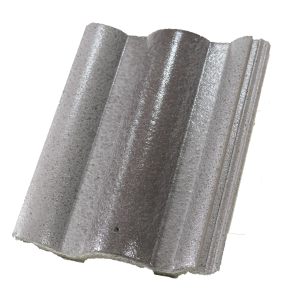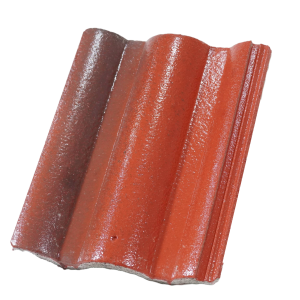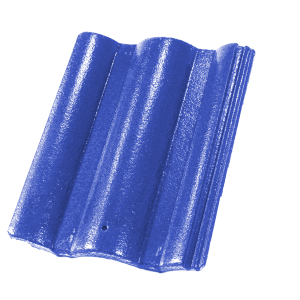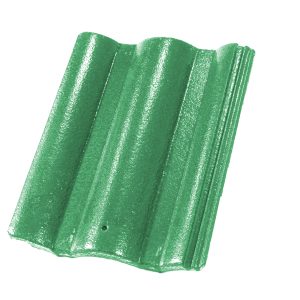
ROMAN Main Tiles – Monotone Colours (Tangerine)



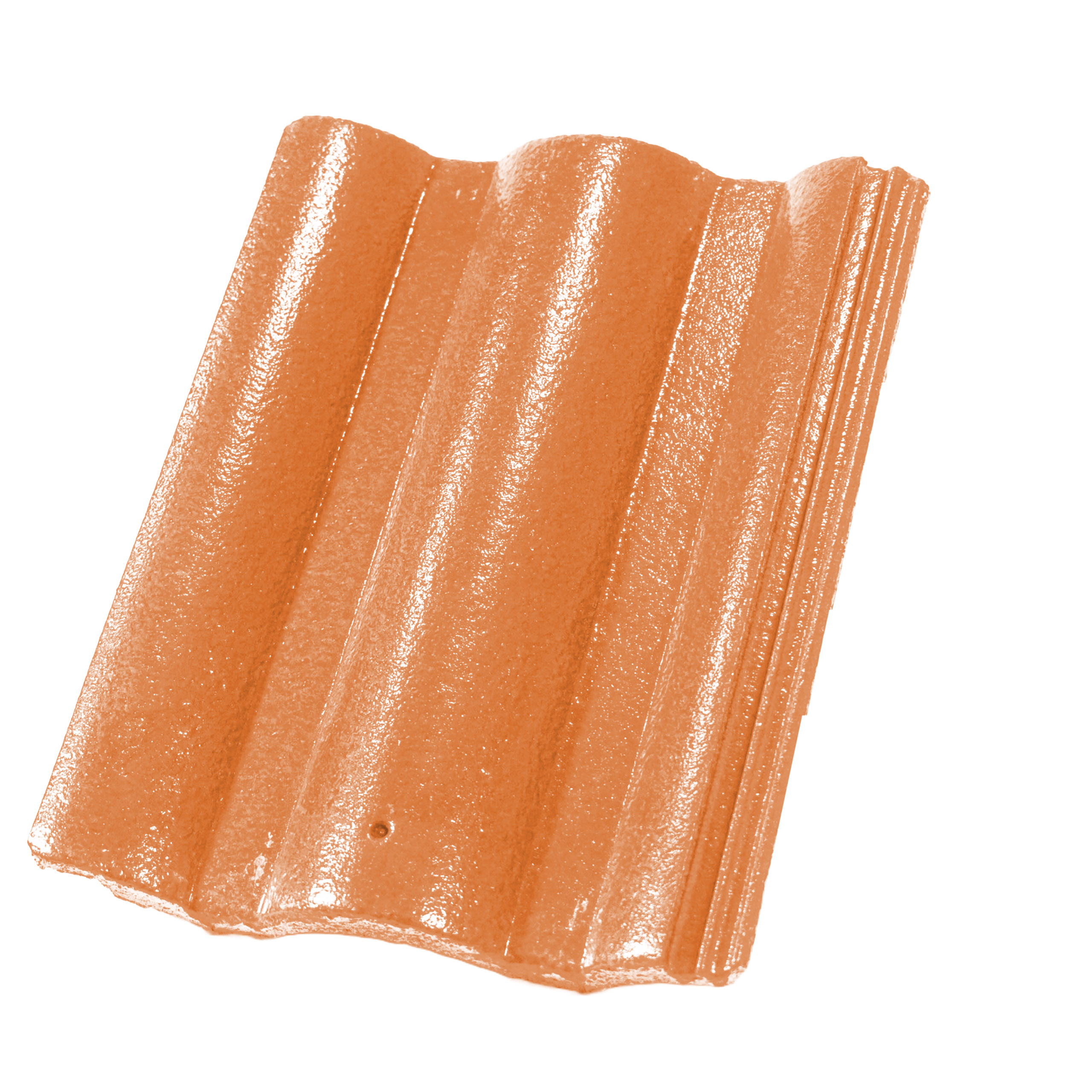
Few roof products are as beautiful or enduring as Roman concrete roofing tiles. With so many styles and colors to choose from, you’ll find that adding a tile roof to your home is one of the easiest and most effective ways to complement your lifestyle and increase the value of your home.
Product Overview and Description
Roman tiles are a classic roofing solution inspired by traditional Mediterranean architecture, combining timeless aesthetics with modern performance. Characterized by their distinctive curved profile and alternating ridges, Roman tiles create a visually striking roofline that enhances both residential and commercial buildings.
Manufactured using high-quality materials such as concrete or clay, Roman tiles are designed for durability and long-term weather resistance. They provide excellent protection against heat, rain, and UV exposure, making them well-suited for tropical climates. Their robust structure also offers good thermal insulation, helping to regulate indoor temperatures and improve energy efficiency.
In addition to performance, Roman tiles are available in a variety of colors and finishes, allowing flexibility in design to suit different architectural styles. Their interlocking system ensures secure installation, reduces water penetration, and enhances overall structural integrity.
Ideal for projects that require both elegance and reliability, Roman tiles deliver a perfect balance of heritage design and modern functionality.
Key Product Features
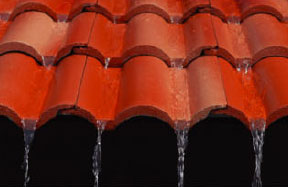
Broader and Deeper Water Course
Lama Roman’s moderate width water courses allows a higher volume and flow of water. This added water dissipation capacity is critical especially during heavy rain falls therefore preventing flooding, which may lead to water leakages.
Technical Specifications
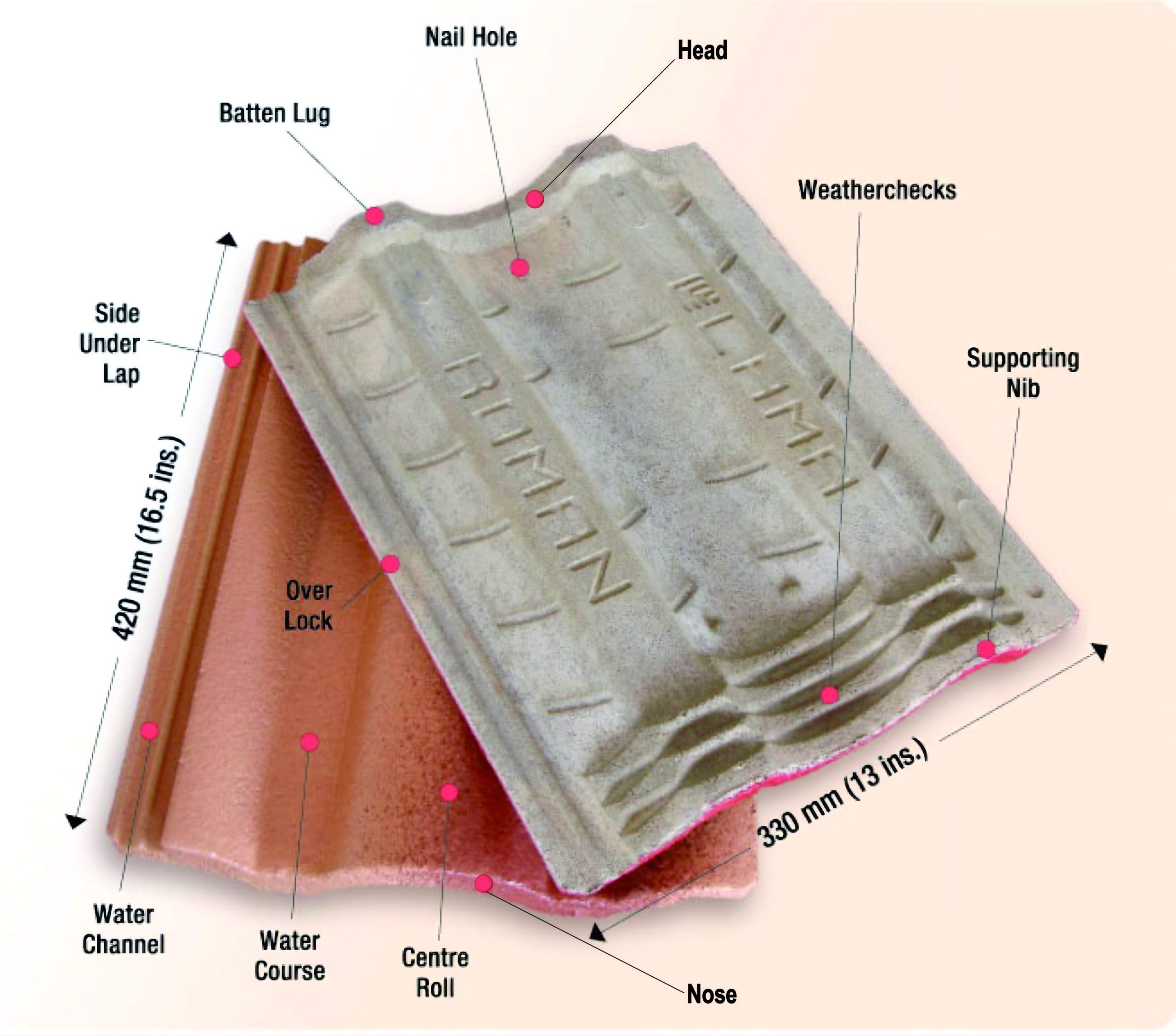
Lama ROMAN Tile Specifications
| PROFILE | Lama Roman Concrete Interlocking Roofing Tiles With Triple Weather Checks – ROMAN Profile. | |
| MATERIALS | Extruded Concrete Roofing Tile With Fused Pigmented Mono/Duotone Colour Coating | |
| COMPOSITION | Portland Cement, Specially Selected Silicate Aggregates & Cement Based Colour Coating With Transparent Thermoplastic Finishing Coat | |
| APPLICATION | Roof and Wall Covering Units | |
| OVERALL SIZE | 420mm (L) x 330mm (W) | |
| 16.5 inches (L) x 13 inches (W) | ||
| MINIMUM HEADLAP | 76mmm / 3 inches | |
| 100mm / 4 inches (Preferred) | ||
| COVERAGE | 9.8 pcs / meter square | Based on 76mm / 3 inches Headlap |
| 91 pcs / 100 square feet | ||
| 10.6 pcs / meter square | Based on 100mm / 4 inches Headlap | |
| 98 pcs / 100 square feet | ||
| TILE WEIGHT | Approximately 4.3 kgs / 9.5 lbs | |
| FIRE RATING | Incombustible and Fully Fire Resistant | |
| WATER ABSORPTION | Less Than 10%, Test MS797:PT1:1982 | |
| STANDARD TESTING | Transverse Breaking Strength In Saturated Conditions, Squareness Testing And Water Permeability Exceeding Requirements Of MS797:PT1 & PT2:1982, Specification & Aggregates Testing & Apparatus Calibration Methods Of MS29 & 30 | |
| CERTIFICATION | SIRIM MS 2596-1 : 2014 & IKRAM Certification | |
Installation Guidance
SHUNT TOLERANCE IN INSTALLATION
The overhang on the left hand verge can be corrected using the full tiles by opening or closing the side lap between the tiles. Lama ROMAN Tiles allow a total SHUNT tolerance of 2mm in side lock for adjustment.
(*) To download the full copy of installation guide please proceed to DOWNLOAD
Should the overhang of the tile be inconsistent between rows or columns, set out roof along eaves starting with the correct over hang at the right hand verge. The overhang on the left hand verge can be corrected using the full tiles by opening or closing the side lap between the tiles. Lama ROMAN Tiles allow a total SHUNT tolerance of 2mm in side lock for adjustment.
Note: There should be a recommended shunt tolerance of 0.7mm-1.2mm Shunt clearance at the coverlock and underlock interlocking.
Insufficient Shunt clearance (Shunt In of less than 0.7mm) will result in tile breakages at the cover locks when accidentally stepped upon.
Why Do Corners Of The Tile Break At Their Interlock Edges After Installation?
The corners of the tile, especially at their cover lock areas, are the thinnest part of the tile and as such are the most prone to damages.
If the tiles are not aligned or laid properly on the roofing tile, there is high potential for point loading that will put irregular pressure onto the corner of the tile, causing it to fracture or break.
This happens most frequently when the tiles are laid too tightly together.
If this Shunt is not maintained, damage from foot traffic or the thermal expansion and contraction of the roofing tile deck may result. Note that any debris left in the water channels during installation, creating a gap in between the interlocks could also result in point loading that may break the corners under foot traffic.
Lama ROMAN Interlocking tiles should be laid as close to Mid Shunt (A), as possible but may be Shunted In or Shunted Out (B and C) to gain or deduct some tolerances. The tiles however, should never be Over Shunted (D) as it will lift the tiles and stress or crack at the interlocks.
WALKING ON THE ROOF – POINT TO STEP
The weight of a person standing on the roof as well as the weight of the tile itself is supported by the battens of the roof just beneath the suggested stepping point.
(*) To download the full copy of installation guide please proceed to DOWNLOAD
When moving around on the roof, please ensure that safety is of concern and should be done with extreme caution. Tiles breakages may occur if the roofing tile are stepped on the wrong areas. These damages may extend to damages to the house or building via broken debris or infliction of personal injury. The stepping pressure point of the tile should only be applied to the Headlap / Head Overlap areas, near the nose of the tile. In any event, please avoid stepping on the Coverlock / Overlock as there are tendencies for this part of the tile to break if excessive load is applied to and please avoid stepping on the centre of the tile which is not supported by the roofing structures.
STEPPING POINTS FOR TILES LAID IN A CROSS BOND OR STAGGERRED METHOD:
The weight of a person standing on the roof as well as the weight of the tile itself is supported by the battens of the roofing tile just beneath the suggested stepping point. This point is where the load is distributed to near the bearing points of the tile. Stepping on other points may result in the tile breaking, cracking or developing a hairline fracture which may cause leakages further down the line.